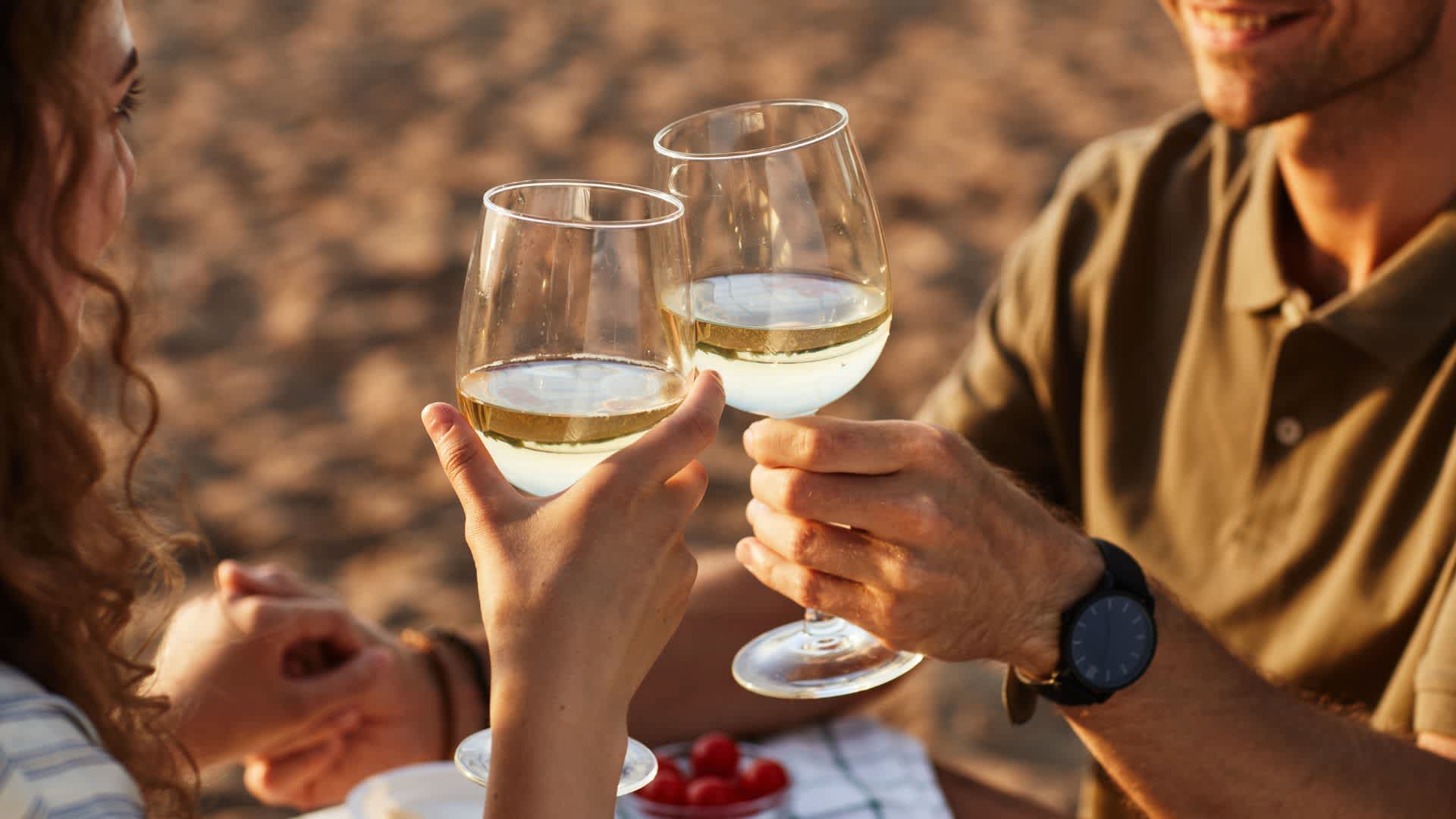
Valentine’s Day on the Spanish coast is less about grand gestures and more about atmosphere, experience and setting. While gifts and flowers still play their part, the real focus is on shared moments, long seaside walks, unhurried meals, ocean views and time spent outdoors. For those considering buying property along the coast, it offers a revealing snapshot of daily life: relaxed, social and centred around enjoying the environment.
Across Spain’s coastal regions, February brings mild weather compared with much of northern Europe. This allows Valentine’s celebrations to unfold outside, on terraces, beaches and marina promenades, rather than indoors. The result is a style of celebration that feels natural, scenic and deeply connected to place.
Seaside towns and cities mark the occasion with a noticeable but tasteful touch of romance. Promenades become busier towards sunset as couples head out for a walk by the water. Viewpoints, harbour fronts and historic quarters provide popular backdrops for photographs and evening strolls. For residents, this is simply an extension of everyday coastal living, one more reason why owning a property by the sea is as much about lifestyle as location.
Local Cultural Touches and Spanish Traditions
Culturally, Valentine’s Day in Spain is recognised and widely celebrated, but it tends to be more understated than in some other countries. Along the coast, the day often blends with existing social and culinary traditions rather than replacing them.
It’s common to see:
- *Bakeries preparing heart-shaped pastries and speciality desserts
- *Local markets highlighting regional sweets and wines
- *Florists featuring red roses and Mediterranean flower arrangements
- *Cafés and bars offering Valentine-themed menus or tapas boards for sharing
In some coastal communities, town halls and business associations organise small-scale cultural activities such as live music in plazas, harbour-front performances, or artisan pop-up stalls. Rather than large parades or formal ceremonies, these are neighbourhood-style events that encourage people to gather outdoors and support local traders.
Another cultural difference is timing and style. Many Spanish couples celebrate later in the evening, with long dinners and social drinks stretching well into the night. Romance is often expressed through food and time spent together rather than expensive gifts, very much in keeping with Mediterranean values.
It’s also worth noting that in certain parts of Spain, especially within Mediterranean regions, other love-related feast days during the year can be even more culturally significant than 14 February, but on the coast, Valentine’s Day itself is still warmly embraced as an excuse to slow down and enjoy each other’s company.
Dining Plays the Leading Role
Restaurants along the Spanish coast fully embrace the occasion with special menus built around regional produce, often highlighting fresh fish, seafood and seasonal ingredients. Tables overlooking the water are in high demand, and many venues offer candlelit terraces, paired wines and live acoustic music.
At the same time, many homeowners choose a quieter alternative, shopping at local markets and preparing a Mediterranean-style meal at home, enjoyed on a balcony or garden patio. Sharing quality food is one of the strongest cultural expressions of affection in coastal Spain.
Experience Over Presents
There has also been a growing shift towards experience-based celebrations. Rather than focusing purely on presents, many couples choose to mark the day with a shared activity. Sunset boat trips, couples’ spa sessions, wine tastings and short coastal getaways are all popular choices. These experience-led celebrations reflect a broader trend in Spanish coastal living, where quality time and wellbeing are prioritised over formality.
Residential resorts and property communities sometimes organise owners’ socials, themed dinners or tasting evenings around the date, reinforcing the sense of community that makes coastal living especially appealing for international buyers.
Different Coasts, Same Romantic Spirit
Each coastal area adds its own flavour to the celebration. In Costa del Sol, warmer winter evenings and lively marinas create a vibrant dining scene. In Costa Blanca, wide promenades and long beaches encourage sunset walks and relaxed terrace dining. Meanwhile, Costa Brava offers a more dramatic and intimate setting, where cliffside paths and historic towns lend themselves to quieter, more scenic celebrations.
A Lifestyle That Supports Romance Year-Round
From a property perspective, Valentine’s Day highlights one of the Spanish coast’s strongest appeals — it supports meaningful everyday living. Access to outdoor space, scenic surroundings, fresh food and walkable communities naturally encourages people to spend more time together. The same elements that make the day feel special are present throughout the year.
Choosing a home on the Spanish coast is not simply a real estate decision; it is a lifestyle choice. It means having the sea as your backdrop, outdoor dining as a habit rather than an exception, and a calendar filled with small, shared experiences. Valentine’s Day simply brings these qualities into sharper focus, a reminder that in the right setting, romance can be part of daily life rather than just a date on the calendar.